WeNext collaborated with LiYi Bionics, utilizing 3D printing technology as the core manufacturing method, to pioneer a new paradigm for the development and mass production of mechanical bionic hands.
WeNext X LiYi Bionics
Wenext Additive Manufacturing
Empowers Bionic Robot R&D
In the recent robotics boom, humanoid robots, bionic robots, and bionic prosthetic hands have become highly sought-after fields of innovation.
Lighter, Better, More Durable
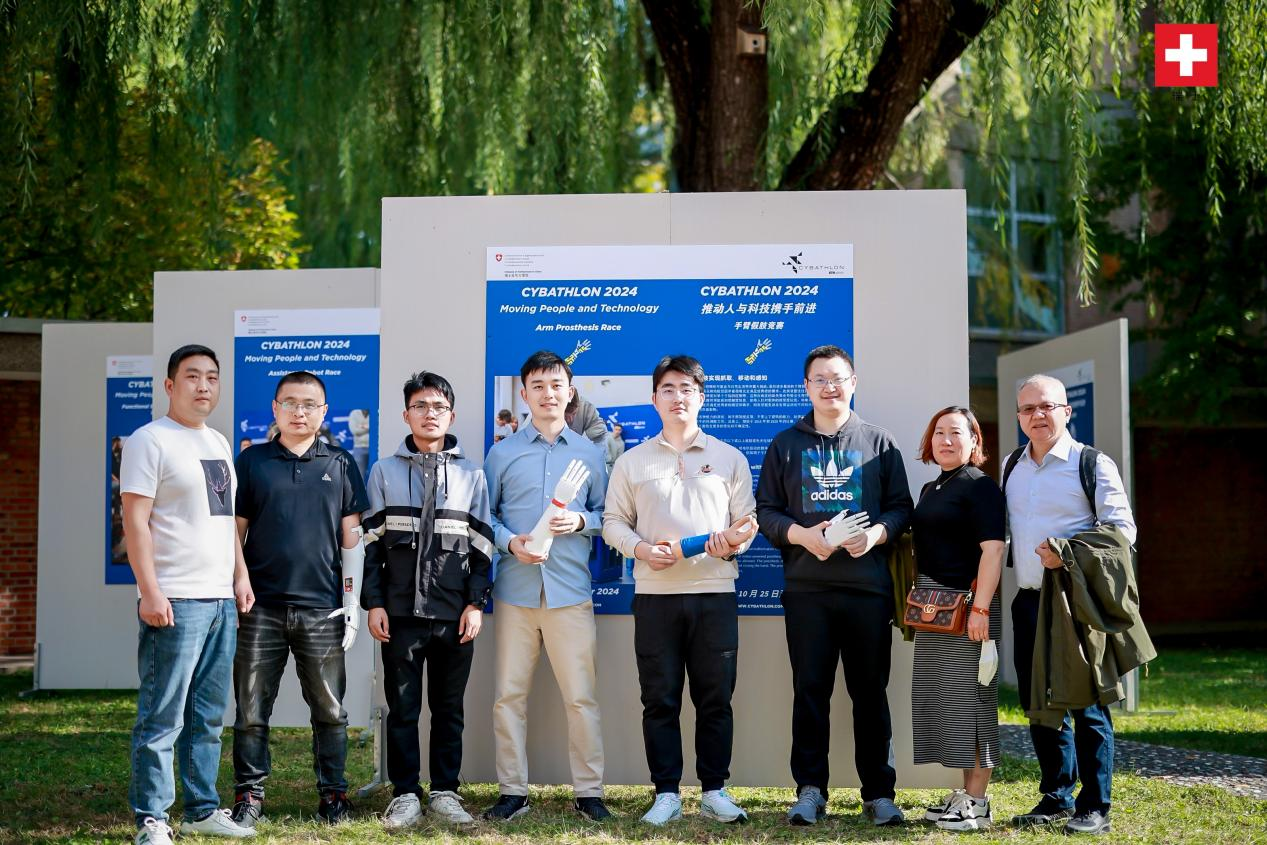
· The LiYi Bionics team, in collaboration with the Suzhou Institute of Biomedical Engineering and Technology, Chinese Academy of Sciences, won the championship at the 2023 global Cybathlon competition for pilots with disabilities.
· In 2024, the human-machine integrated biomechatronic prosthetic hand, co-developed by the LiYi Bionics team and the Southeast University-Suzhou Institute of Biomedical Engineering team HANDSON, won first place in the "Powered Arm Prosthesis" category at CYBATHLON 2024, the third global "Olympics" for assistive technology, held in Zurich.
Behind this series of milestone breakthroughs lies the deep integration of materials science, intelligent control, and manufacturing processes by the LiYi Bionics team. In this "cybernetic evolution," 3D printing technology is helping translate this cutting-edge bionic technology from the Olympic podium into the daily lives of people with disabilities.
LiYi Bionics
Bringing Bionic Robots from the Lab to Accessibility
LiYi Bionics has been dedicated to the field of bionic prosthetics for years. Since its founding, it has consistently adhered to its original mission of "making prosthetic limbs affordable and usable for people with limb differences," committed to developing practical, suitable, user-friendly, and durable bionic products.
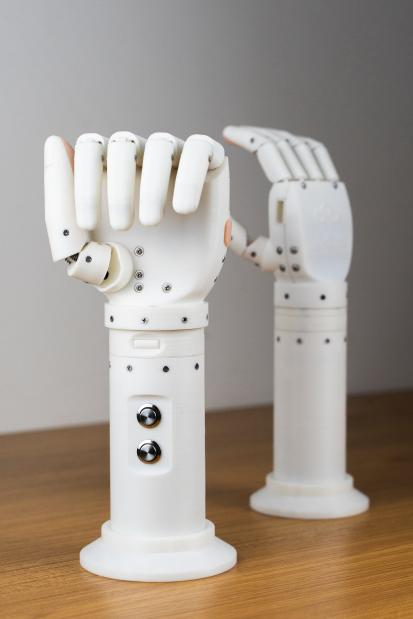
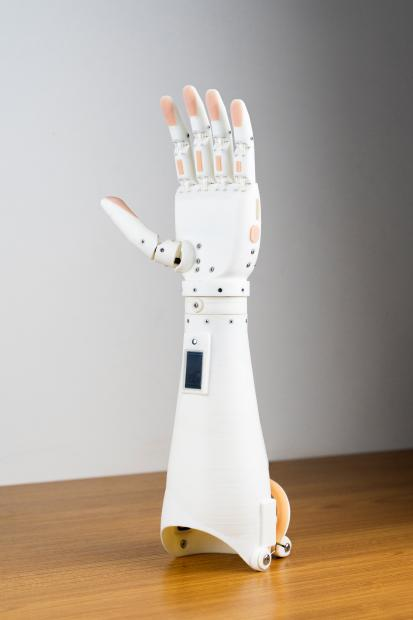
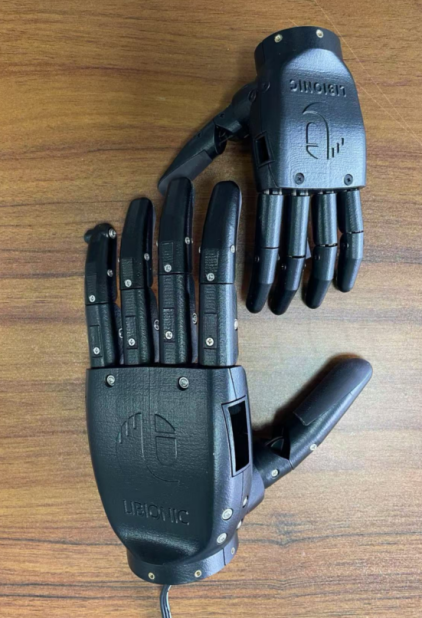
After years of dedicated research, LiYi Bionics' bionic hand achieves adaptive grasping through optimized connection methods and structures. Continuous improvements in materials and structure make the bionic hand durable and easy to maintain, offering users a very low "cost of use."
Currently, LiYi Bionics has launched a series of revolutionary sEMG (surface electromyography) controlled neural prosthetics suitable for different application scenarios. Their minimal weight, extremely low energy consumption, and high practicality allow users to feel more secure and convenient.
The key to bringing bionic robots from the lab to widespread accessibility lies in lightweight functional integration, personalized customization, and low-cost rapid mass production. LiYi Bionics, in partnership with WeNext using 3D printing as the core manufacturing method, has pioneered a new paradigm for the development and production of mechanical bionic hands.
Personalized Customization & Rapid Production
3D Printing Technology Becomes the Key to Breaking Through
Faced with challenges like customization and lightweighting demands, along with the complex designs inherent to bionic structures, LiYi Bionics and WeNext joined forces. They established a closed loop of "rapid iterative design - modular structure - flexible production implementation," continuously driving breakthroughs in the application of bionic robot technology in industrial and medical scenarios.
Rapid Iterative Design: From Blueprint to Functional Prototype in 72 Hours
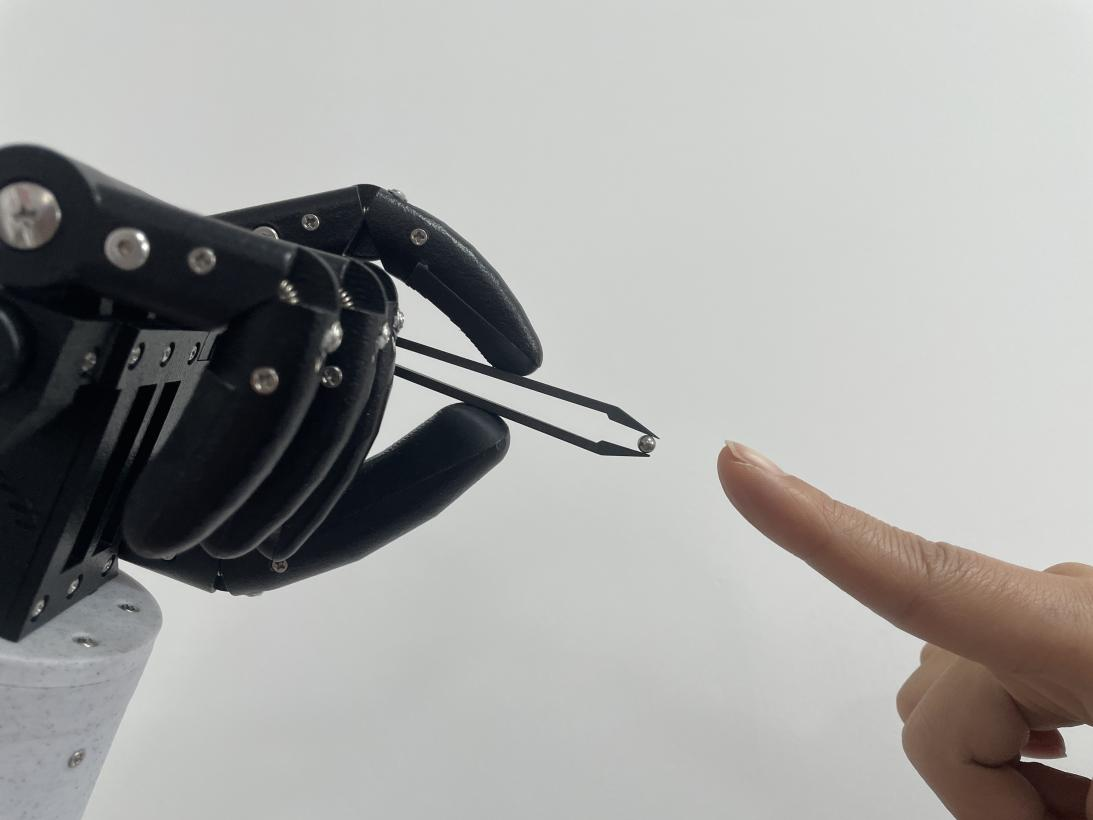
LiYi Bionics leverages WeNext to produce bionic hand joint prototypes in 24 hours—a process that would take weeks with traditional machining. These prototypes can be used for functional testing within 72 hours, effectively shortening R&D cycles and significantly reducing development risks.
Lightweighting Breakthrough: Synergy Between Complex Structures and Material Innovation
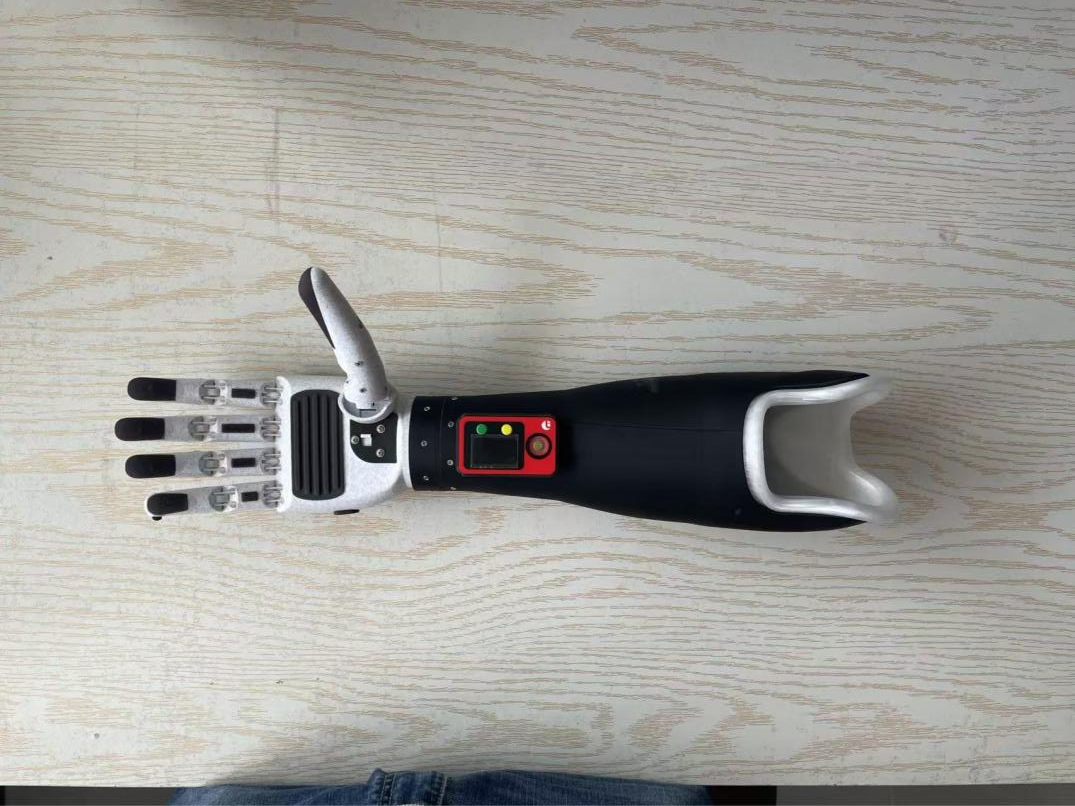
WeNext integrates 7 different processes including MJF (Multi Jet Fusion) printing and SLM (Selective Laser Melting) metal printing. They achieve lightweight structural optimization through topology optimization and complex design, and meet the strength and precision requirements of bionic hand components through multi-material fusion.
Zero-Mold Rapid Production: Solving the Challenge of Small-Batch Trial Production
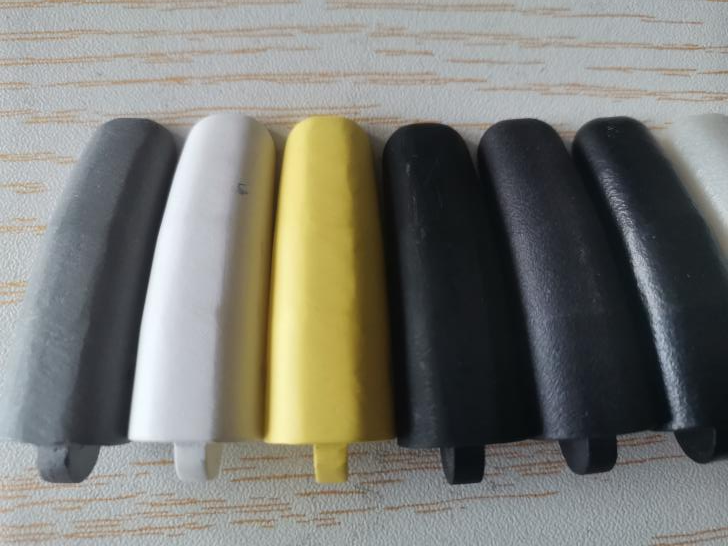
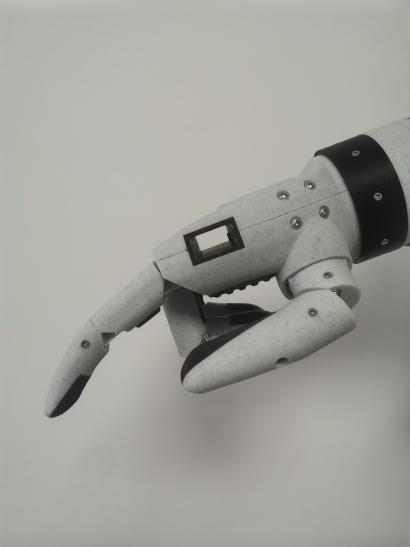
By utilizing WeNext's flexible production platform, LiYi Bionics bypasses the complex and costly processes of mold development, injection molding, and machining. This effectively addresses the economic challenges of small-batch trial production.
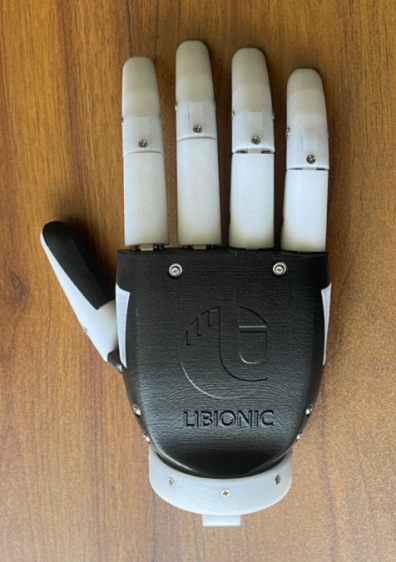
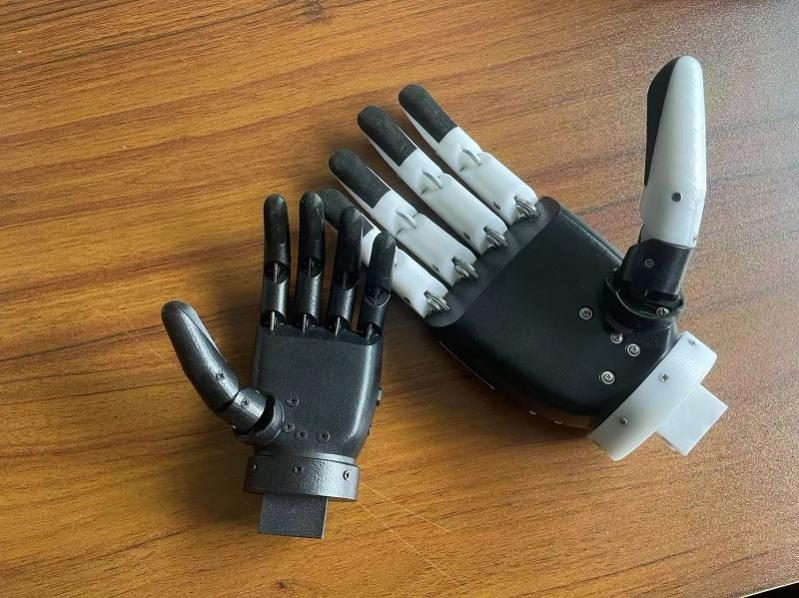
LiYi Bionic Prosthetic Hand
Forming Processes Used:
MJF (Multi Jet Fusion), SLS (Selective Laser Sintering), SLM (Selective Laser Melting), FDM (Fused Deposition Modeling)
Printing Materials Used:
Future 7500 High-Performance Nylon (Black) + Chemical Polishing
Future 7000 (Farsoon) White Nylon + Chemical Polishing
Aluminum Alloy AlSi10Mg
Future 6000 PLA
3D Printing
The Core Driver of Personalized Manufacturing Innovation
From the rapid iteration of design prototypes to the lightweight optimization of complex structures, and further to accessible small-batch rapid production, the collaboration between LiYi Bionics and WeNext powerfully demonstrates the capabilities of 3D printing technology. Their one-stop solution of "rapid prototype iteration - personalized customization and rapid mass production" effectively breaks through the limitations that traditional manufacturing imposes on the speed and cost of bionic robot development. As 3D printing technology continues to advance and new printing materials are constantly developed and applied, 3D printing will inject even greater momentum into bionic robotics. It will drive their evolution towards being lighter, better, and more durable, paving a brand-new path for the future of manufacturing.
------
Copyright Notice
· The company respects and protects intellectual property rights. Data, images, and some content referenced in this article are sourced from the internet or other publicly available materials. The related copyrights and neighboring rights are legally owned by the original authors or rights holders.
· If referenced content involves third-party works, we make reasonable efforts to indicate the source but cannot guarantee the completeness of all source information. In case of omissions or disputes, rights holders are requested to contact us and provide proof of ownership. We will handle the matter promptly and in accordance with the law.
· If any individual or organization believes that the referenced data, images, or content infringes upon rights, we will initiate a verification process within 24 hours of receiving a complete and valid notice and take measures such as removal in accordance with the law.
Wenext launches an LCD printing materials application feature, interpreting the unique properties of diverse high-performance printing materials to provide reference for customers in material selection and application for LCD printing.
WeNext systematically elaborates on the relevant performance characteristics of Future PA11Pro, shares the material's application in 3D printing, and compares its performance differences with PA12 material, providing a reference for printing material selection and development applications.
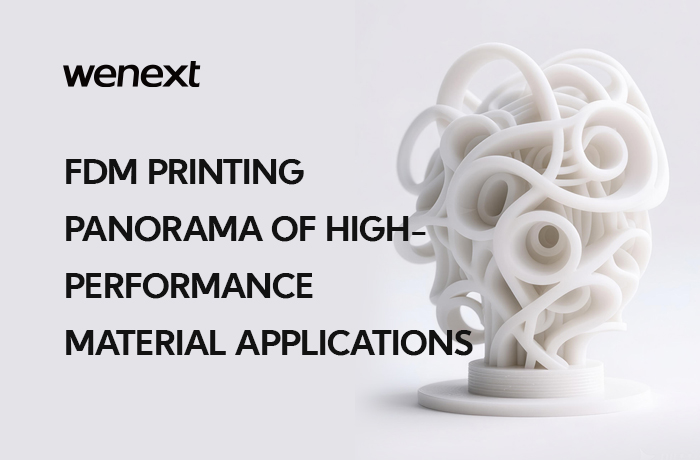
WeNext's new generation of FDM materials are continuously being launched. Industrial-grade FDM printing production solutions effectively assist manufacturing across various industries in achieving performance breakthroughs and functional integration.
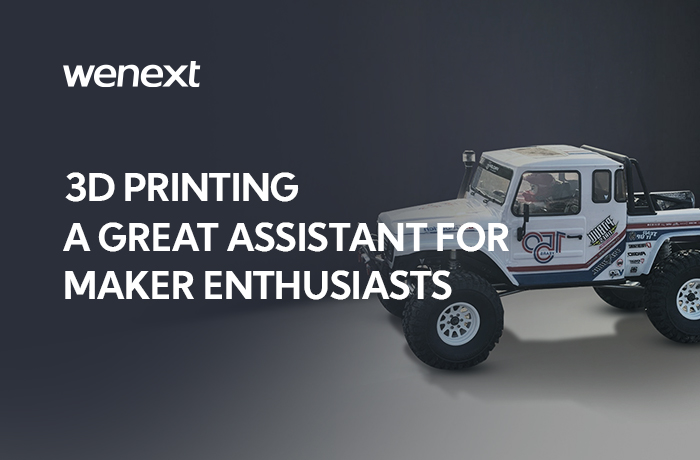
How to build a movie camera yourself using 3D printing technology? How to perfectly replicate model car parts? WeNext, the great assistant for maker enthusiasts, tells you the answer!
Wenext launches an LCD printing materials application feature, interpreting the unique properties of diverse high-performance printing materials to provide reference for customers in material selection and application for LCD printing.
WeNext systematically elaborates on the relevant performance characteristics of Future PA11Pro, shares the material's application in 3D printing, and compares its performance differences with PA12 material, providing a reference for printing material selection and development applications.
WeNext's new generation of FDM materials are continuously being launched. Industrial-grade FDM printing production solutions effectively assist manufacturing across various industries in achieving performance breakthroughs and functional integration.
How to build a movie camera yourself using 3D printing technology? How to perfectly replicate model car parts? WeNext, the great assistant for maker enthusiasts, tells you the answer!
3D printing has become a key technological pillar for the new energy vehicle industry to achieve lightweighting, intelligence, and sustainable development, bringing fresh competitiveness to the sector's advancement.
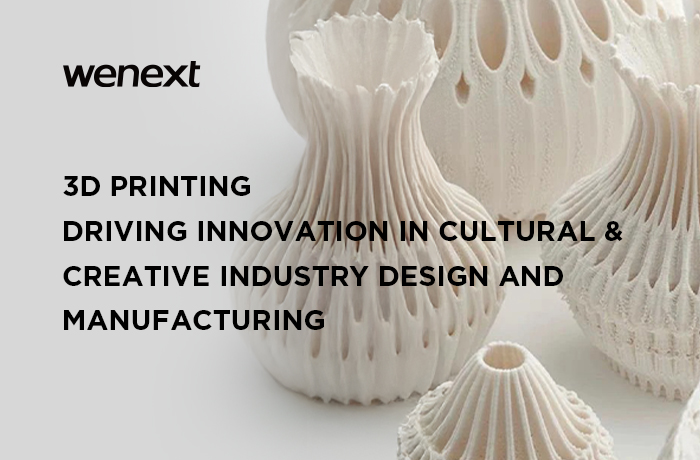
3D printing technology is reshaping the landscape of the cultural and creative industries in application scenarios such as customized cultural product creation, film & TV IP derivative development, and game merchandise production.
3D printing technology has become a key force driving the advancement of manufacturing in the aerospace sector.
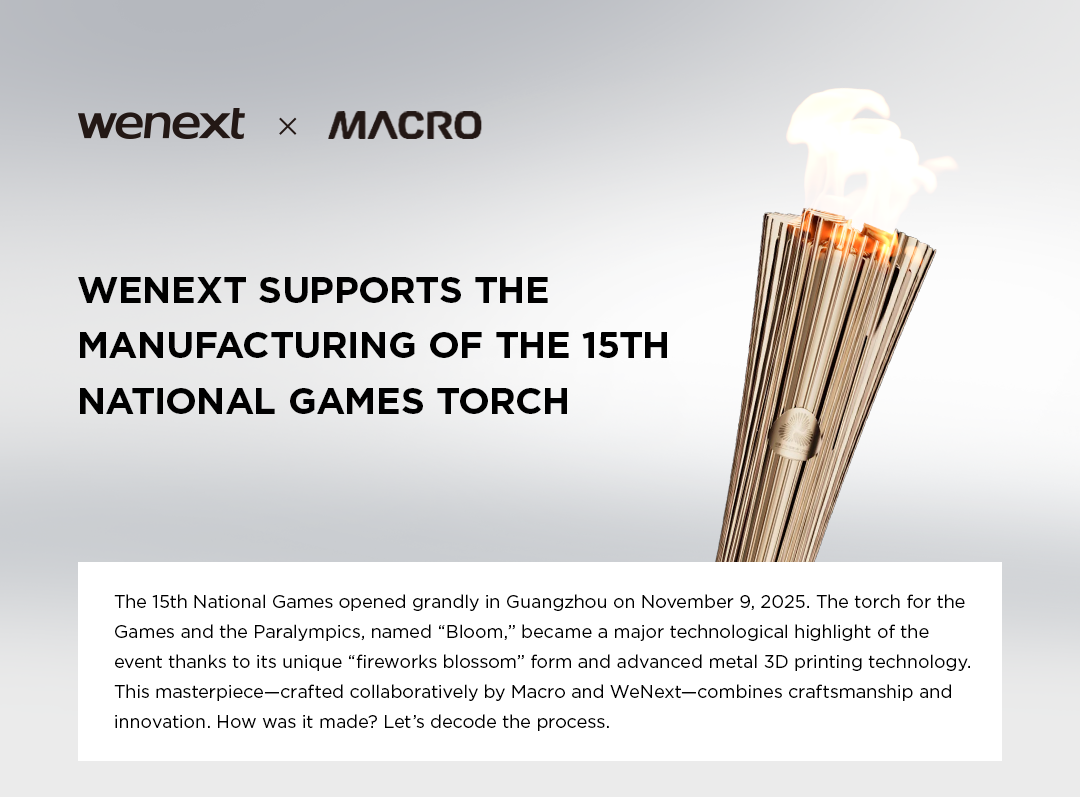
Decoding the manufacturing journey of the “Bloom” torch for the 15th National Games, WeNext broke through the bottlenecks of traditional processes through metal 3D printing technology, transforming Macro’s design concept into reality.
Wenext offers one-stop solutions ranging from rapid prototyping to professional-grade part manufacturing, providing efficient, specialized, and easily accessible manufacturing support for education and scientific research
Wenext launches an LCD printing materials application feature, interpreting the unique properties of diverse high-performance printing materials to provide reference for customers in material selection and application for LCD printing.
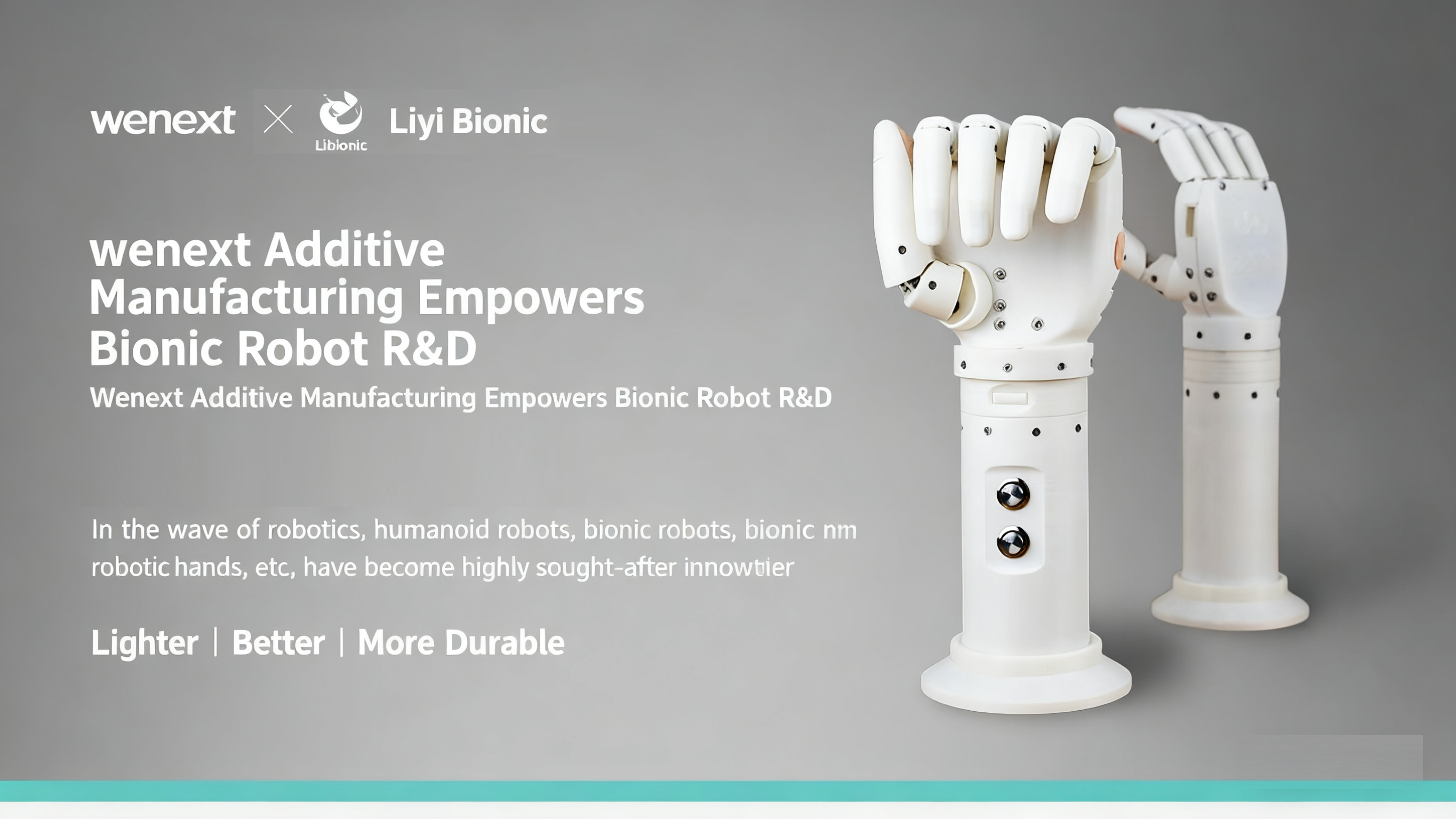
Wenext and Liyi Bionics join hands and, with 3D printing technology as the core manufacturing approach, create a completely new paradigm for the research, development, and mass production of mechanical bionic hands.
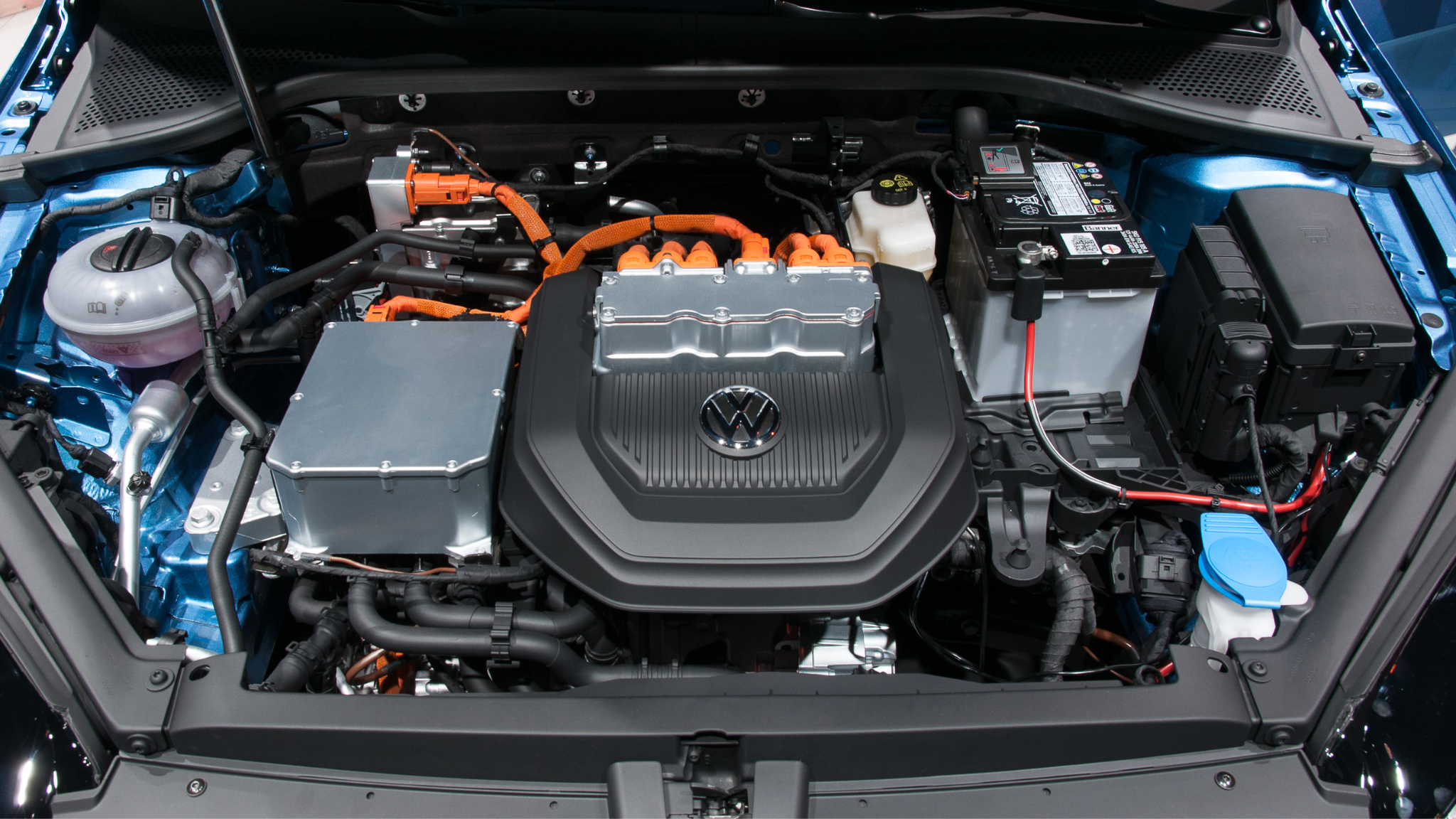
The integration of 3D printing has not only sped up the design process but also introduced unprecedented flexibility and innovation into the automotive industry

Stay in Contact:


©2019-2026 Wenext Global Limited All Rights Reserved.
This website uses cookies for better personalized services. By using our websites, you agree to this use. Privacy Policy
We use cookies to improve your experience, check out Privacy Policyy.