WeNext systematically elaborates on the relevant performance characteristics of Future PA11Pro, shares the material's application in 3D printing, and compares its performance differences with PA12 material, providing a reference for printing material selection and development applications.
Application and Prospects of PA11Pro Bio-based Material in 3D Printing
Against the backdrop of advancing "Dual Carbon" goals, PA11, as a 100% bio-based material, has gained significant favor in the additive manufacturing field due to its excellent mechanical properties, outstanding environmental adaptability, and sustainability, becoming a key manufacturing material driving green transformation across multiple industries.
To help customers better understand and apply this bio-based material, WeNext systematically elaborates on the relevant performance characteristics of Future PA11Pro (PA11), shares the material's application in 3D printing, and compares its performance differences with PA12 material, providing a reference for printing material selection and development applications.
01
100% Bio-based High-performance Material Enabling Exceptional Properties
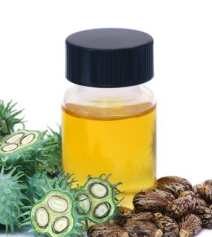
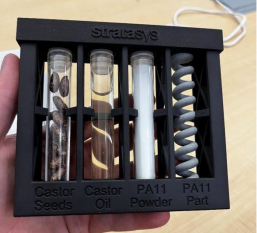
WeNext's newly launched Future PA11Pro material stands out among numerous engineering plastics, particularly suitable for manufacturing demanding functional parts, primarily due to its several notable characteristics:
01/ 100% Bio-based Material, Eco-friendly & Renewable
Future PA11Pro's raw material originates from renewable castor seeds. Through processes like fermentation and polymerization, linear polyamide chains are formed. This fundamentally avoids supply chain risks associated with petroleum resource fluctuations. Simultaneously, as a biodegradable, eco-friendly material, its degradation products are environmentally benign, granting it a lower carbon footprint and superior environmental characteristics.
02/ Natural Biocompatibility, Safe & Reliable

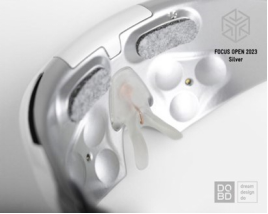
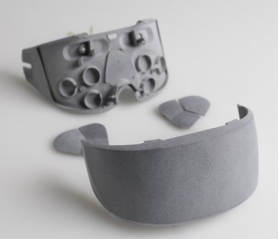
Future PA11Pro possesses excellent biocompatibility (complying with ISO 10993 standards), causing no irritation to human tissues, and offers good sterilizability. It can be widely used in the medical field, including surgical guides, orthoses, prosthetic liners, and other rehabilitation devices, as well as medical catheters, drug delivery systems, and sterilizable equipment components, effectively enhancing the safety and reliability of medical devices.
03/ Strong Mechanical Properties, Wide Application Adaptability
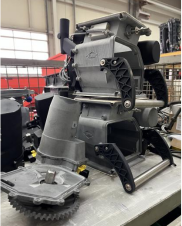

Future PA11Pro exhibits excellent ductility, impact resistance, high wear resistance, and chemical resistance. It can be used in various harsh environments, withstanding external pressure, impact, and chemical erosion. It is suitable for dynamic friction components like living hinges and gears, and is an ideal choice for end-use parts such as electronic housings, sports equipment, orthopedic insoles, plastic gears, and impact-resistant components.
04/ High Melting Point, Strong Low-temperature Resistance
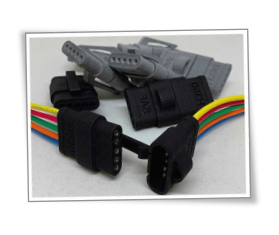
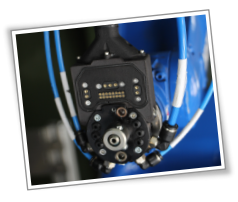
Future PA11Pro material has a high melting point of 185°C, offering excellent high-temperature resistance, and maintains excellent impact resistance even in low-temperature environments (-30°C). It is an ideal energy pipeline material for manufacturing pipes, valves, connectors, automotive components, etc., effectively enhancing automotive safety and performance.
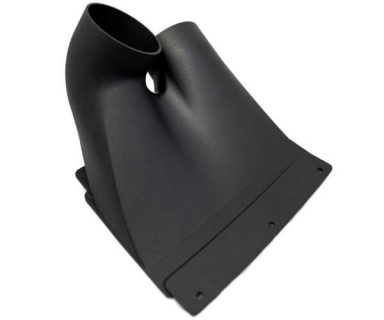
Future PA11Pro Performance Parameters
Heat Deflection Temperature: 185°C
Tensile Modulus: 1.53GPa
Tensile Strength: 51MPa
Elongation at Break: 30%
Flexural Modulus: 1.34GPa
Flexural Strength: 51MPa
Notched Impact Strength: 7.4 J/m²
02
High-Performance Polymer Comparison: PA11 vs PA12
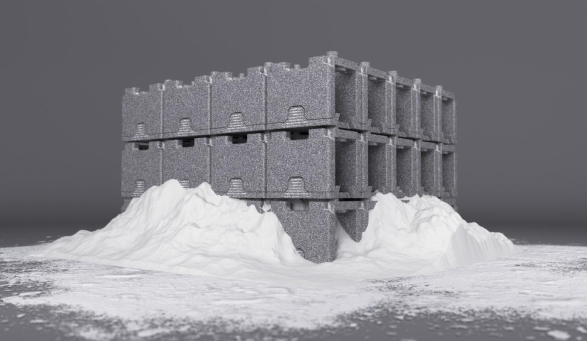
PA11 and PA12, as high-performance engineering plastics, are commonly used in the production of end-use parts via additive manufacturing. Both belong to the long-chain polyamide family, chemically differing only by one carbon atom in the polymer backbone. However, differences exist in several properties. WeNext provides a comparison of their differences and characteristics in 3D printing to facilitate better material selection for customers.
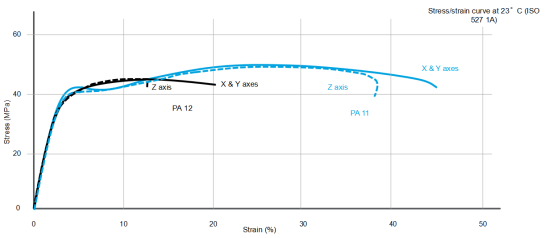
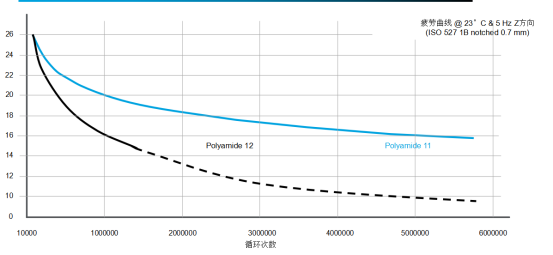
PA11 performs better in ductility, impact strength, wear resistance, and fatigue resistance.
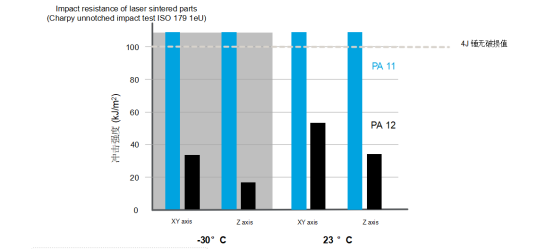
PA11 maintains excellent impact resistance in low-temperature environments (-30°C).
Comparison of Key Performance Parameters between PA11 and PA12:
|
Performance Indicator |
Future PA11Pro (Bio-based) |
PA12 (Petroleum-based) |
|
Raw Material Source |
Castor Oil (Renewable) |
Petrochemical (Non-renewable) |
|
Density (g/cm³) |
1.04 |
1.02 |
|
Melting Point (°C) |
185°C |
178°C |
|
Tensile Modulus |
1.53 GPa |
8.96 GPa |
|
Elongation at Break |
30% |
4.5% |
|
Flexural Modulus |
1.34 GPa |
8.62 GPa |
|
Low-Temp Impact Resistance |
Excellent (Maintained at -30°C) |
Good (Lower than PA11) |
|
Tensile Strength (MPa) |
51 MPa |
Slightly lower than PA11 |
|
Flexibility / Ductility |
Higher, more fatigue resistant |
Good |
|
Wear Resistance |
Superior |
Good |
|
Chemical Resistance |
Excellent |
Excellent |
|
Surface Quality |
Smoother |
Slightly rougher |
|
Environmental Attribute |
High (Renewable) |
Low (Petroleum-dependent) |
Comparative Analysis Summary:
Compared to PA12, PA11 possesses higher ductility, higher impact strength, better wear and fatigue resistance. Its excellent mechanical properties make it suitable for application scenarios with stringent requirements for impact resistance and wear resistance.
PA11's performance is unaffected in low-temperature environments, significantly outperforming the temperature applicability range of traditional PA12 material.
PA11 is derived from renewable castor oil, performing better in terms of environmental friendliness and renewability, offering significant environmental advantages and sustainable development potential.
03
Future PA11Pro (Exclusive Offer)
Unlock Sustainable Material Printing Solutions
Future PA11Pro material holds significant advantages in application scenarios with stringent requirements for low-temperature performance, impact resistance, and wear resistance. Simultaneously, its eco-friendly and sustainable characteristics give it broad application prospects in high-end manufacturing fields such as automotive lightweight components, medical implants, aerospace components, and sports equipment, providing key material solutions for industry green transformation.
To experience and adopt the excellent bio-based material, Future PA11Pro, more economically, WeNext launches a special Future PA11Pro material promotion plan, offering highly competitive printing prices and 3D printing solutions for both new and existing customers.
Wenext launches an LCD printing materials application feature, interpreting the unique properties of diverse high-performance printing materials to provide reference for customers in material selection and application for LCD printing.
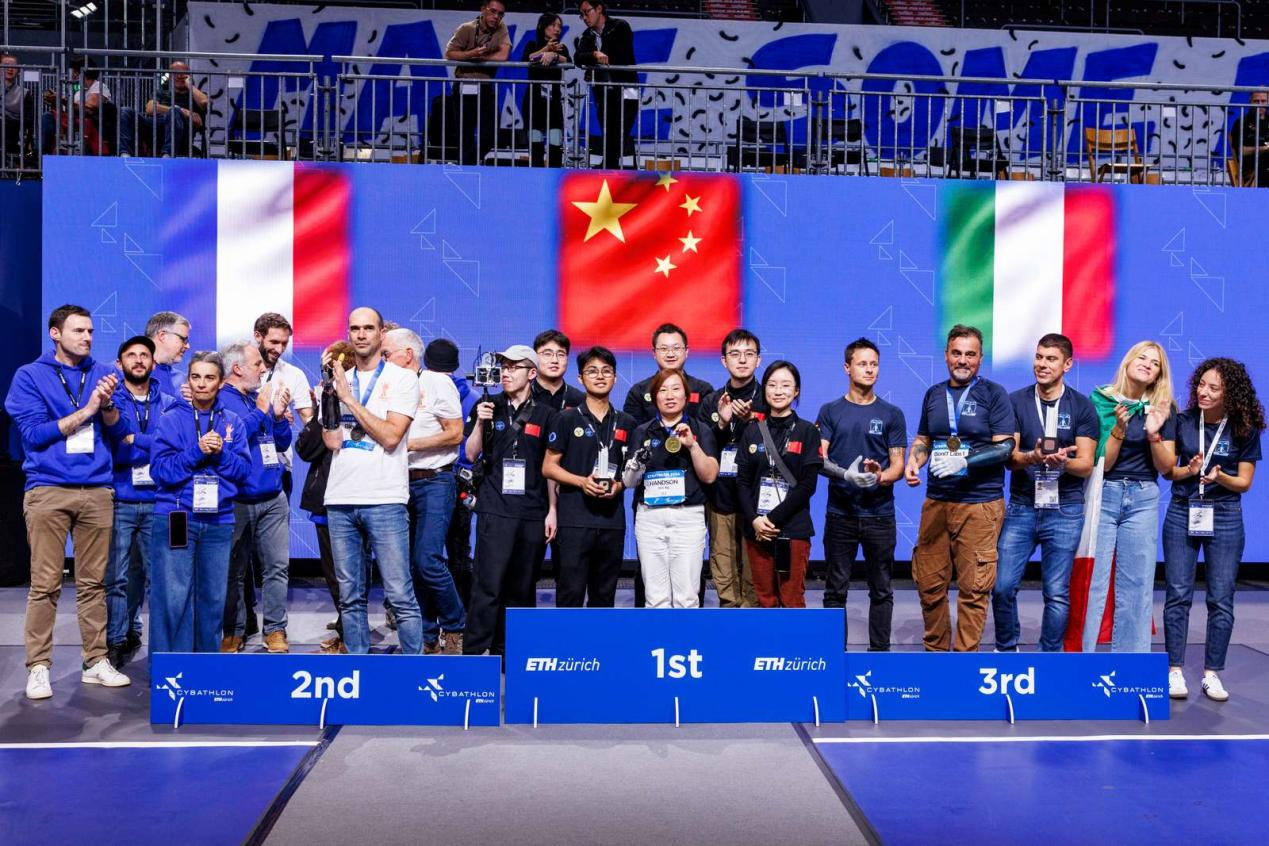
WeNext collaborated with LiYi Bionics, utilizing 3D printing technology as the core manufacturing method, to pioneer a new paradigm for the development and mass production of mechanical bionic hands.

WeNext's new generation of FDM materials are continuously being launched. Industrial-grade FDM printing production solutions effectively assist manufacturing across various industries in achieving performance breakthroughs and functional integration.
How to build a movie camera yourself using 3D printing technology? How to perfectly replicate model car parts? WeNext, the great assistant for maker enthusiasts, tells you the answer!
Wenext launches an LCD printing materials application feature, interpreting the unique properties of diverse high-performance printing materials to provide reference for customers in material selection and application for LCD printing.
WeNext collaborated with LiYi Bionics, utilizing 3D printing technology as the core manufacturing method, to pioneer a new paradigm for the development and mass production of mechanical bionic hands.
WeNext's new generation of FDM materials are continuously being launched. Industrial-grade FDM printing production solutions effectively assist manufacturing across various industries in achieving performance breakthroughs and functional integration.
How to build a movie camera yourself using 3D printing technology? How to perfectly replicate model car parts? WeNext, the great assistant for maker enthusiasts, tells you the answer!
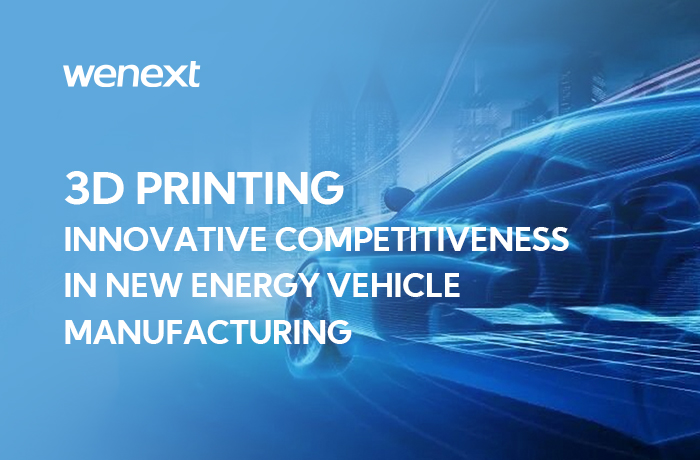
3D printing has become a key technological pillar for the new energy vehicle industry to achieve lightweighting, intelligence, and sustainable development, bringing fresh competitiveness to the sector's advancement.
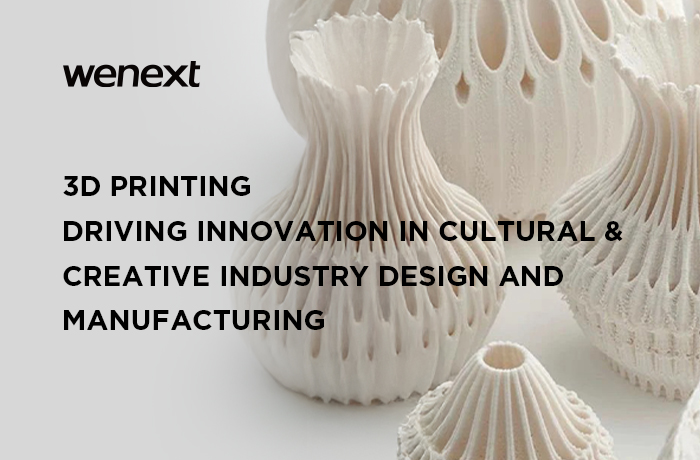
3D printing technology is reshaping the landscape of the cultural and creative industries in application scenarios such as customized cultural product creation, film & TV IP derivative development, and game merchandise production.
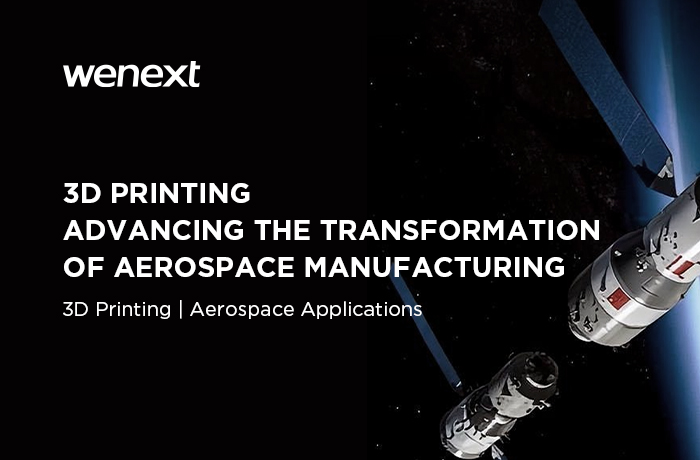
3D printing technology has become a key force driving the advancement of manufacturing in the aerospace sector.
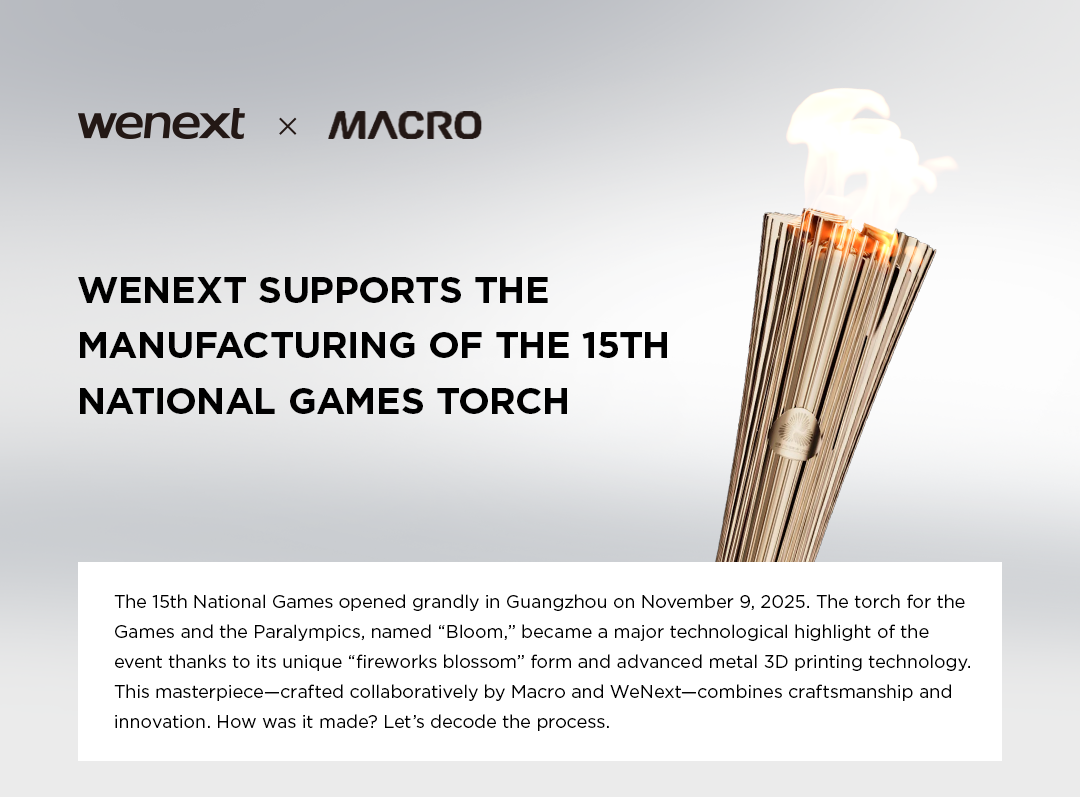
Decoding the manufacturing journey of the “Bloom” torch for the 15th National Games, WeNext broke through the bottlenecks of traditional processes through metal 3D printing technology, transforming Macro’s design concept into reality.
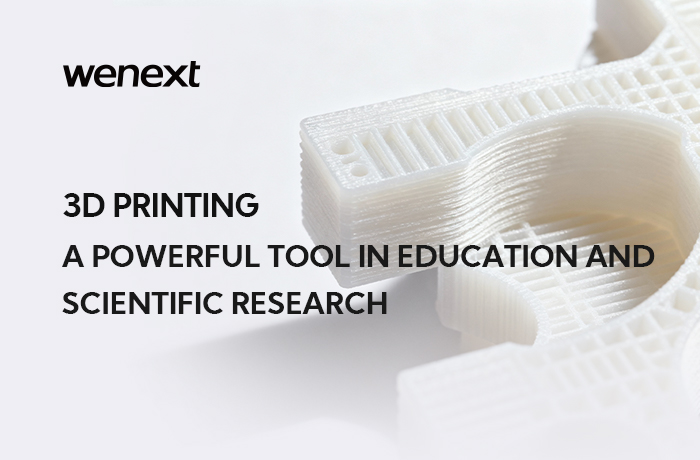
Wenext offers one-stop solutions ranging from rapid prototyping to professional-grade part manufacturing, providing efficient, specialized, and easily accessible manufacturing support for education and scientific research
Wenext launches an LCD printing materials application feature, interpreting the unique properties of diverse high-performance printing materials to provide reference for customers in material selection and application for LCD printing.
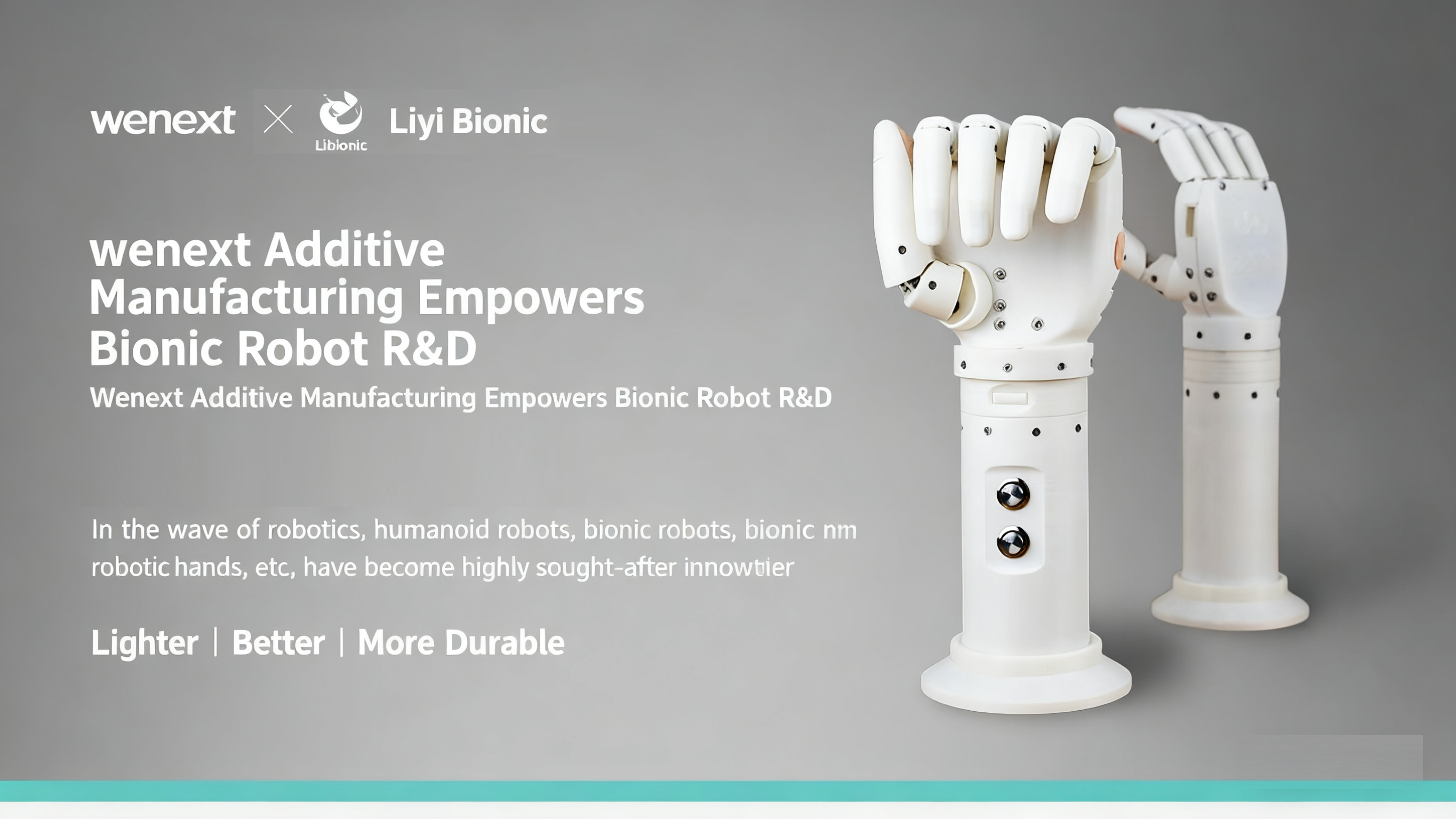
Wenext and Liyi Bionics join hands and, with 3D printing technology as the core manufacturing approach, create a completely new paradigm for the research, development, and mass production of mechanical bionic hands.
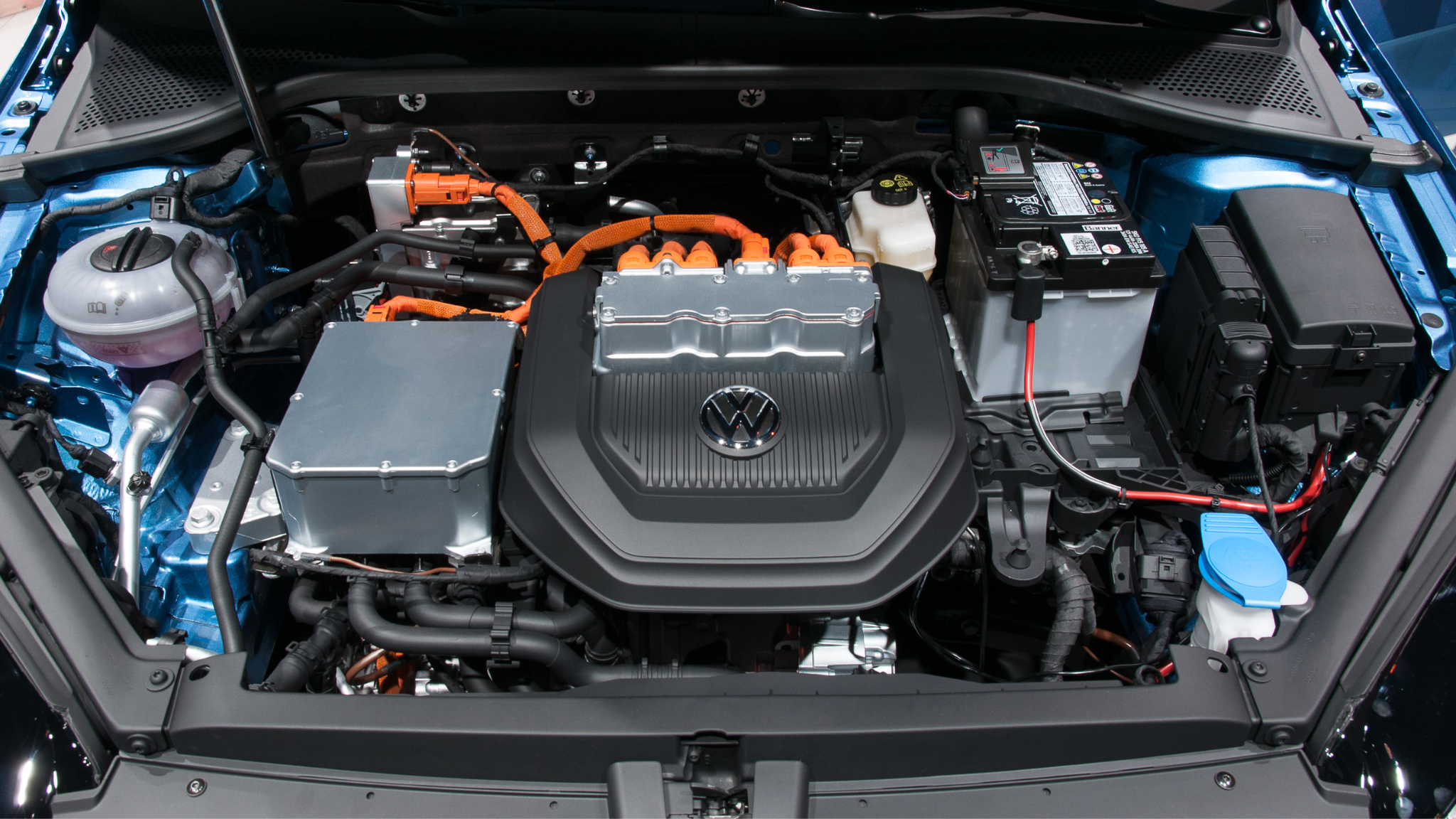
The integration of 3D printing has not only sped up the design process but also introduced unprecedented flexibility and innovation into the automotive industry

Stay in Contact:


©2019-2026 Wenext Global Limited All Rights Reserved.
This website uses cookies for better personalized services. By using our websites, you agree to this use. Privacy Policy
We use cookies to improve your experience, check out Privacy Policyy.